NBA News NBA News, Match Reports and Updates
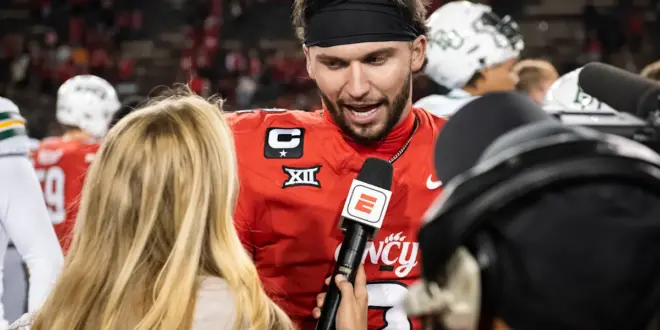
Without federal legislation codifying rules on athlete compensation and eligibility or an entirely new structure, there is likely no end in sight for the stream of lawsuits being filed by schools and athletes looking out for their interests in college athletics.
Duke and Cincinnati have filed lawsuits demanding their quarterbacks pay damages for allegedly breaching revenue-sharing contracts when they entered the transfer portal. Washington made the same argument and threatened legal action against its quarterback before he acquiesced and returned to the Huskies.
Advertisement
A parade of athletes, starting with Vanderbilt quarterback Diego Pavia in 2024 and continuing with Virginia’s Chandler Morris this week, have filed lawsuits challenging eligibility rules and seeking to extend the number of years they can compete — and earn money — in college.
University of Illinois labor and sports law professor Michael LeRoy recalled this week that the House vs. NCAA settlement, which allowed schools to directly pay athletes, was hailed by college sports leaders as the beginning of an era of stability.
“That,” LeRoy said, “has been a spectacular miscalculation.”
How we got here
In 2021, when college athletes began getting paid by third parties for use of their name, image and likeness, the thought was that most deals would give athletes a little pocket money. No one could foresee the life-changing money available to top athletes in 2026 through revenue sharing and NIL deals.
Advertisement
The rationale for athletes wanting to stay in school is to extend their window for making money, and the opportunity to make more money is the reason athletes walk away from rev-share contracts with their schools.
What’s a signature worth?
It would seem straightforward that if an athlete signed a rev-share contract requiring them to pay liquidated damages if they leave the school before the end of the contract, that provision would be enforceable.
It’s not that simple.
“As a general matter of contract law, liquidated damages are typically enforced to the extent they are considered a good-faith effort to estimate a loss to one of the…
Source link : https://sports.yahoo.com/articles/no-end-sight-battles-over-220039125.html
Author : ERIC OLSON
Publish date : 2026-02-27 22:00:00
Copyright for syndicated content belongs to the linked Source.